Understanding the complexities of America's 250th anniversary celebration
Celebrate America’s 250th with insights on its founding struggles, key figures, Enlightenment roots, and evolving national identity.
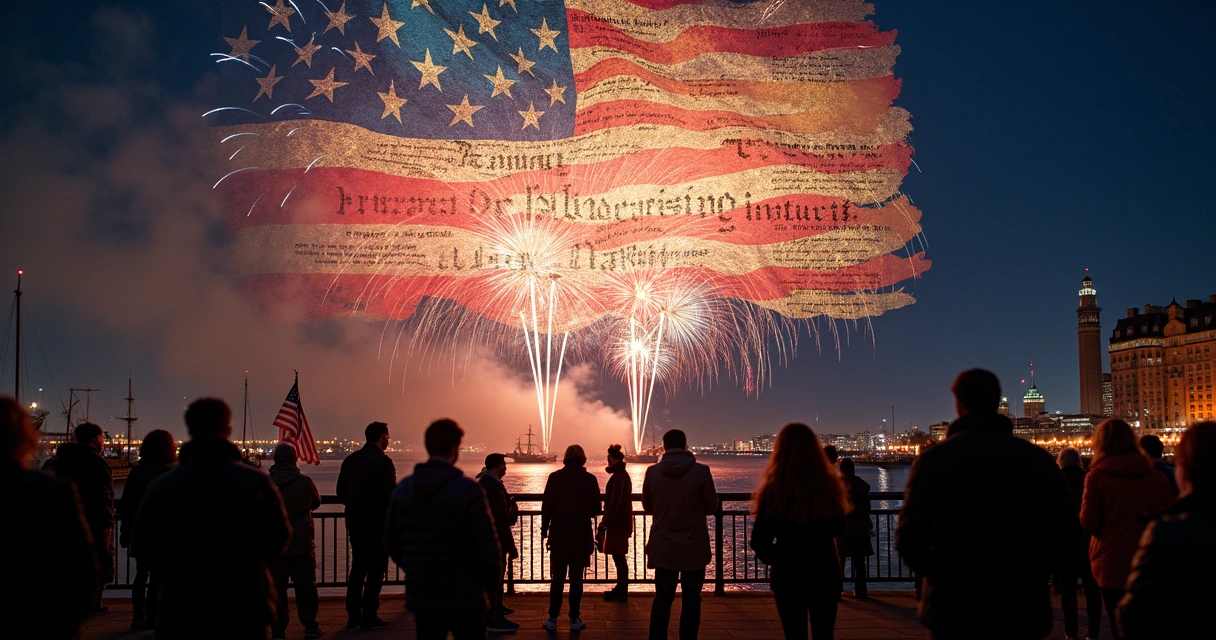
When a nation turns 250, the party says one thing. History says another.
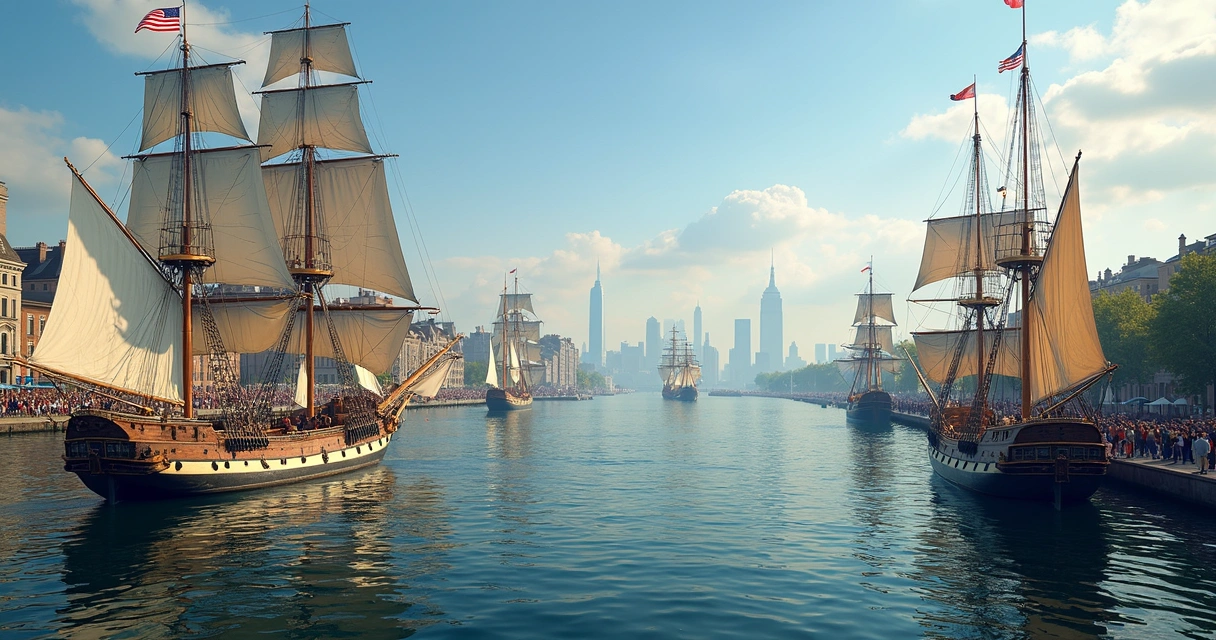
Across the United States, the semiquincentennial is being framed as a grand public moment, with fireworks, civic ceremonies, and major cultural events. In New York Harbor, plans and expectations around historic vessels, public spectacle, and patriotic imagery point to a celebration on a huge scale. In Washington, the year-long Freedom 250 program sets the tone from Memorial Day 2025 through the end of 2026, with projection mapping, mobile museums, and national outreach. We think that scale matters. But the deeper story matters more.
America’s 250th anniversary is both a celebration of national survival and a test of national memory.
That is the real complexity. The United States now marks 250 years as a global power, yet in 1776 it was a weak string of colonies, divided, underfunded, and facing the strongest military force of its age. It is easy to cheer the fireworks. It is harder, and more honest, to ask how such a fragile beginning became such a commanding state.
From fragile rebellion to national myth
We often picture the American founding as neat and certain. It was not. The colonies declared independence before they had secure finances, a stable army, or broad confidence that they could win. British power was real. Defeat was possible at every turn.
A republic was never guaranteed.
George Washington carried one part of this burden. He was not a brilliant battlefield winner in every campaign, but he understood endurance. He kept the army together when collapse seemed near. That kind of leadership shaped the revolution as much as any single victory did.
Thomas Jefferson played a different role. He gave the break with Britain its language. His words in the Declaration of Independence turned political complaint into universal claim. He wrote of equality and rights in a way that reached beyond the colonies and into the future, even if the society around him failed to live up to those claims.
Benjamin Franklin worked in yet another arena. Older, worldly, and skilled with people, he became the face of the American cause abroad. James Madison belonged more to the next phase, but we cannot leave him out. He helped turn rebellion into government, asking how liberty could survive power, faction, and human ambition.
Together, these men did not represent one type of founder. They came from different regions, trades, and temperaments. That variety helped shape the republic.
Washington gave steadiness and restraint.
Jefferson gave language and political vision.
Franklin gave diplomacy and foreign trust.
Madison gave structure and constitutional thought.
In our work with immigration narratives at Seeder Visa Solutions, we often see how much national identity depends on story, purpose, and proof. The founding era shows the same pattern. The United States did not begin as a bloodline nation. It began as an argument about principles.
Ideas borrowed, adapted, and contradicted
The founders did not invent their political ideas from nothing. They drew from European Enlightenment thinkers such as John Locke and Voltaire. From Locke came strong language about natural rights, consent, and the right to resist abuse. From broader Enlightenment debate came faith in reason, law, and limits on power.
The new republic was built on borrowed ideas, but it also borrowed lessons from systems the founders feared.
Checks and balances came from that fear. The founders had seen monarchy, concentrated authority, imperial control, and religious dominance. They wanted a government strong enough to last, but weak enough to be restrained. Madison, especially, worried less about perfect leaders and more about flawed human nature. So the Constitution divided power on purpose.
Yet there was a dark contradiction at the center of this design. Some of the men who spoke most clearly about liberty held enslaved people. The sentence that “all men are created equal” stands in history beside the reality of slave labor, exclusion, and racial hierarchy.
We cannot talk honestly about the 250th anniversary without naming that tension. Celebration without reflection turns history into decoration.
How did the colonies turn the war around?
They did not do it alone. That point is often softened in patriotic retellings, but it should not be.
France changed the war. Franklin’s diplomacy helped make that possible. In Paris, he presented the American cause as serious, principled, and worth backing. French money, military aid, naval power, and political support helped shift the balance. Without that intervention, British pressure might have crushed the rebellion.
French support was not a side note. It was one of the reasons independence became real.
That fact adds another layer to the anniversary. The United States celebrates self-rule, yet its birth also depended on foreign alliance. We find that detail humanizing. It reminds us that nations, like people, rarely rise through will alone.
Today’s commemorations also show how large the anniversary has become in practical terms. According to the federal overview of America 250 planning, a congressional commission and a White House task force are coordinating broad national events. The economic side is visible too. Data in the Census Bureau’s look at the fireworks industry shows how many businesses and workers stand behind the public displays that will light up the anniversary season.
What kind of nation was being created?
This may be the most striking part of the American story. Many nations define belonging through ancestry, language, or old territory. The United States, at least in principle, formed around a political contract. A person could join not by sharing origin, but by accepting a set of civic ideas.
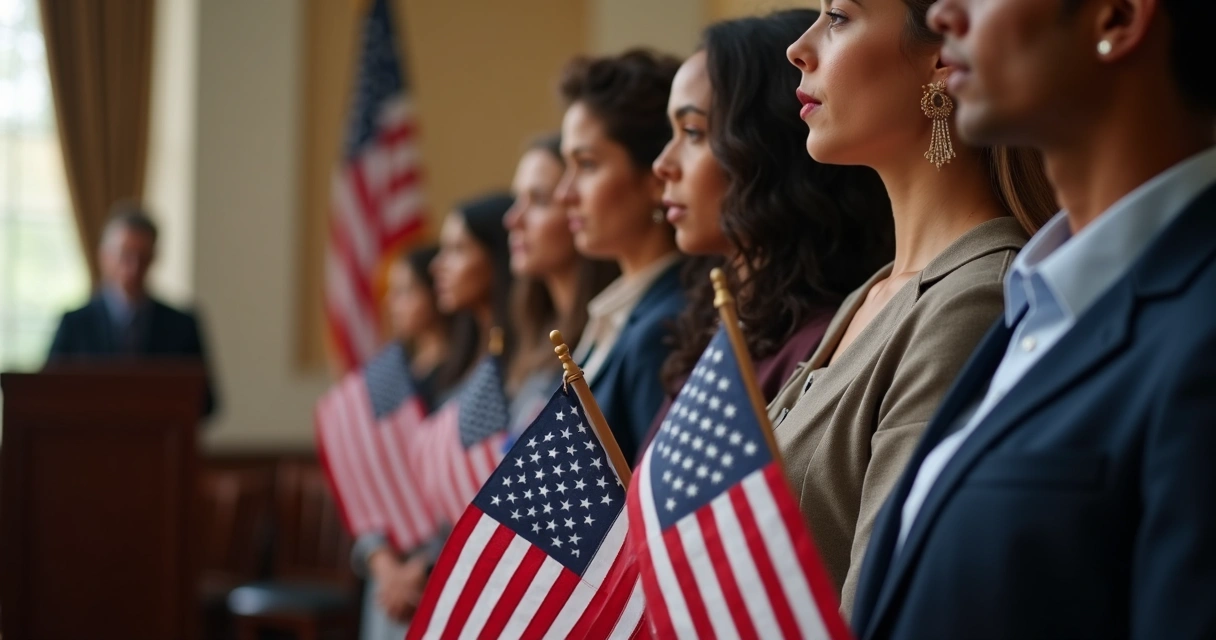
That is why naturalization ceremonies still move so many people. We have seen how meaningful this is for immigrants and families who built their lives around legal process, long waits, and public commitment. In that moment, the founding promise becomes visible again.
Belonging can be chosen.
This principle still matters for readers who follow immigration questions closely. It also connects naturally to the work we do at Seeder Visa Solutions. Many professionals and families approach the United States not only as a place of opportunity, but as a legal and civic project they want to join with seriousness.
At the same time, the national identity of 1776 was never fully open in practice. Native peoples, enslaved Africans, women, and many others stood outside full political equality. So when we speak of shared ideals, we should speak carefully. The ideal was wide. The early system was not.
That is one reason inclusive public history matters. The public programming around America 250 described by the NISE Network treats the anniversary as a chance to reflect on the nation’s full history, including what came before 1776 and what was left out of the founding story. We think that approach gives the anniversary more honesty, not less pride.
Celebration and self-questioning
Big anniversaries can become comfortable rituals. Flags wave. Music rises. Ships gather. Fireworks break over the skyline. Yet this one asks for more than admiration.
The irony is plain. A nation born in weakness now celebrates in strength. A republic founded on liberty also carried slavery. Leaders who feared concentrated power helped create a state that would grow vast influence at home and abroad.
So what should we do with the 250th anniversary? We think we should hold two thoughts at once:
The American founding produced ideas that still inspire people across the world.
The American founding also left deep moral failures that still shape the country.
The public celebration is meaningful only if both truths remain visible.
That balance may be the most fitting tribute of all. If the ideals of 1776 still guide the nation, then reflection is not a threat to patriotism. It is part of it. If those ideals have been buried under power, spectacle, and habit, then the 250th anniversary is the right time to ask hard questions.
We believe that history has the most value when it informs real choices in the present. If you are building your future in the United States and want guidance shaped by clarity, planning, and respect for the country’s civic story, we invite you to get to know Seeder Visa Solutions.
Frequently asked questions
What is America’s 250th anniversary celebration?
It is the national commemoration of 250 years since the Declaration of Independence in 1776. The celebration includes public ceremonies, historical programs, educational projects, fireworks, and major civic events across the country.
When will the celebration take place?
The main anniversary year centers on 2026, especially around July 4, but federal planning already spans from Memorial Day 2025 through the end of 2026. Many cities, museums, and public groups are expected to hold events throughout that period.
How can I join the anniversary events?
You can join by following local event calendars, museum programming, harbor celebrations, public lectures, and official national announcements. Many events will be open to the public, and some will be designed for families, students, and international visitors.
What are the main events planned?
Planned highlights include large fireworks displays, national outreach programs, projection events in Washington, traveling exhibits, and major historical gatherings such as tall ships and heritage vessels in New York Harbor. Educational and community events will also play a large role.
Is it worth traveling for the celebration?
Yes, for many people it will be. The 250th anniversary offers a rare mix of ceremony, history, and national reflection. If you value American history, public events, and the meaning of citizenship, the experience may be especially rewarding.
When a nation turns 250, the party says one thing. History says another.
Across the United States, the semiquincentennial is being framed as a grand public moment, with fireworks, civic ceremonies, and major cultural events. In New York Harbor, plans and expectations around historic vessels, public spectacle, and patriotic imagery point to a celebration on a huge scale. In Washington, the year-long Freedom 250 program sets the tone from Memorial Day 2025 through the end of 2026, with projection mapping, mobile museums, and national outreach. We think that scale matters. But the deeper story matters more.
America’s 250th anniversary is both a celebration of national survival and a test of national memory.
That is the real complexity. The United States now marks 250 years as a global power, yet in 1776 it was a weak string of colonies, divided, underfunded, and facing the strongest military force of its age. It is easy to cheer the fireworks. It is harder, and more honest, to ask how such a fragile beginning became such a commanding state.
From fragile rebellion to national myth
We often picture the American founding as neat and certain. It was not. The colonies declared independence before they had secure finances, a stable army, or broad confidence that they could win. British power was real. Defeat was possible at every turn.
A republic was never guaranteed.
George Washington carried one part of this burden. He was not a brilliant battlefield winner in every campaign, but he understood endurance. He kept the army together when collapse seemed near. That kind of leadership shaped the revolution as much as any single victory did.
Thomas Jefferson played a different role. He gave the break with Britain its language. His words in the Declaration of Independence turned political complaint into universal claim. He wrote of equality and rights in a way that reached beyond the colonies and into the future, even if the society around him failed to live up to those claims.
Benjamin Franklin worked in yet another arena. Older, worldly, and skilled with people, he became the face of the American cause abroad. James Madison belonged more to the next phase, but we cannot leave him out. He helped turn rebellion into government, asking how liberty could survive power, faction, and human ambition.
Together, these men did not represent one type of founder. They came from different regions, trades, and temperaments. That variety helped shape the republic.
Washington gave steadiness and restraint.
Jefferson gave language and political vision.
Franklin gave diplomacy and foreign trust.
Madison gave structure and constitutional thought.
In our work with immigration narratives at Seeder Visa Solutions, we often see how much national identity depends on story, purpose, and proof. The founding era shows the same pattern. The United States did not begin as a bloodline nation. It began as an argument about principles.
Ideas borrowed, adapted, and contradicted
The founders did not invent their political ideas from nothing. They drew from European Enlightenment thinkers such as John Locke and Voltaire. From Locke came strong language about natural rights, consent, and the right to resist abuse. From broader Enlightenment debate came faith in reason, law, and limits on power.
The new republic was built on borrowed ideas, but it also borrowed lessons from systems the founders feared.
Checks and balances came from that fear. The founders had seen monarchy, concentrated authority, imperial control, and religious dominance. They wanted a government strong enough to last, but weak enough to be restrained. Madison, especially, worried less about perfect leaders and more about flawed human nature. So the Constitution divided power on purpose.
Yet there was a dark contradiction at the center of this design. Some of the men who spoke most clearly about liberty held enslaved people. The sentence that “all men are created equal” stands in history beside the reality of slave labor, exclusion, and racial hierarchy.
We cannot talk honestly about the 250th anniversary without naming that tension. Celebration without reflection turns history into decoration.
How did the colonies turn the war around?
They did not do it alone. That point is often softened in patriotic retellings, but it should not be.
France changed the war. Franklin’s diplomacy helped make that possible. In Paris, he presented the American cause as serious, principled, and worth backing. French money, military aid, naval power, and political support helped shift the balance. Without that intervention, British pressure might have crushed the rebellion.
French support was not a side note. It was one of the reasons independence became real.
That fact adds another layer to the anniversary. The United States celebrates self-rule, yet its birth also depended on foreign alliance. We find that detail humanizing. It reminds us that nations, like people, rarely rise through will alone.
Today’s commemorations also show how large the anniversary has become in practical terms. According to the federal overview of America 250 planning, a congressional commission and a White House task force are coordinating broad national events. The economic side is visible too. Data in the Census Bureau’s look at the fireworks industry shows how many businesses and workers stand behind the public displays that will light up the anniversary season.
What kind of nation was being created?
This may be the most striking part of the American story. Many nations define belonging through ancestry, language, or old territory. The United States, at least in principle, formed around a political contract. A person could join not by sharing origin, but by accepting a set of civic ideas.
That is why naturalization ceremonies still move so many people. We have seen how meaningful this is for immigrants and families who built their lives around legal process, long waits, and public commitment. In that moment, the founding promise becomes visible again.
Belonging can be chosen.
This principle still matters for readers who follow immigration questions closely. It also connects naturally to the work we do at Seeder Visa Solutions. Many professionals and families approach the United States not only as a place of opportunity, but as a legal and civic project they want to join with seriousness.
At the same time, the national identity of 1776 was never fully open in practice. Native peoples, enslaved Africans, women, and many others stood outside full political equality. So when we speak of shared ideals, we should speak carefully. The ideal was wide. The early system was not.
That is one reason inclusive public history matters. The public programming around America 250 described by the NISE Network treats the anniversary as a chance to reflect on the nation’s full history, including what came before 1776 and what was left out of the founding story. We think that approach gives the anniversary more honesty, not less pride.
Celebration and self-questioning
Big anniversaries can become comfortable rituals. Flags wave. Music rises. Ships gather. Fireworks break over the skyline. Yet this one asks for more than admiration.
The irony is plain. A nation born in weakness now celebrates in strength. A republic founded on liberty also carried slavery. Leaders who feared concentrated power helped create a state that would grow vast influence at home and abroad.
So what should we do with the 250th anniversary? We think we should hold two thoughts at once:
The American founding produced ideas that still inspire people across the world.
The American founding also left deep moral failures that still shape the country.
The public celebration is meaningful only if both truths remain visible.
That balance may be the most fitting tribute of all. If the ideals of 1776 still guide the nation, then reflection is not a threat to patriotism. It is part of it. If those ideals have been buried under power, spectacle, and habit, then the 250th anniversary is the right time to ask hard questions.
We believe that history has the most value when it informs real choices in the present. If you are building your future in the United States and want guidance shaped by clarity, planning, and respect for the country’s civic story, we invite you to get to know Seeder Visa Solutions.
Frequently asked questions
What is America’s 250th anniversary celebration?
It is the national commemoration of 250 years since the Declaration of Independence in 1776. The celebration includes public ceremonies, historical programs, educational projects, fireworks, and major civic events across the country.
When will the celebration take place?
The main anniversary year centers on 2026, especially around July 4, but federal planning already spans from Memorial Day 2025 through the end of 2026. Many cities, museums, and public groups are expected to hold events throughout that period.
How can I join the anniversary events?
You can join by following local event calendars, museum programming, harbor celebrations, public lectures, and official national announcements. Many events will be open to the public, and some will be designed for families, students, and international visitors.
What are the main events planned?
Planned highlights include large fireworks displays, national outreach programs, projection events in Washington, traveling exhibits, and major historical gatherings such as tall ships and heritage vessels in New York Harbor. Educational and community events will also play a large role.
Is it worth traveling for the celebration?
Yes, for many people it will be. The 250th anniversary offers a rare mix of ceremony, history, and national reflection. If you value American history, public events, and the meaning of citizenship, the experience may be especially rewarding.
When a nation turns 250, the party says one thing. History says another.
Across the United States, the semiquincentennial is being framed as a grand public moment, with fireworks, civic ceremonies, and major cultural events. In New York Harbor, plans and expectations around historic vessels, public spectacle, and patriotic imagery point to a celebration on a huge scale. In Washington, the year-long Freedom 250 program sets the tone from Memorial Day 2025 through the end of 2026, with projection mapping, mobile museums, and national outreach. We think that scale matters. But the deeper story matters more.
America’s 250th anniversary is both a celebration of national survival and a test of national memory.
That is the real complexity. The United States now marks 250 years as a global power, yet in 1776 it was a weak string of colonies, divided, underfunded, and facing the strongest military force of its age. It is easy to cheer the fireworks. It is harder, and more honest, to ask how such a fragile beginning became such a commanding state.
From fragile rebellion to national myth
We often picture the American founding as neat and certain. It was not. The colonies declared independence before they had secure finances, a stable army, or broad confidence that they could win. British power was real. Defeat was possible at every turn.
A republic was never guaranteed.
George Washington carried one part of this burden. He was not a brilliant battlefield winner in every campaign, but he understood endurance. He kept the army together when collapse seemed near. That kind of leadership shaped the revolution as much as any single victory did.
Thomas Jefferson played a different role. He gave the break with Britain its language. His words in the Declaration of Independence turned political complaint into universal claim. He wrote of equality and rights in a way that reached beyond the colonies and into the future, even if the society around him failed to live up to those claims.
Benjamin Franklin worked in yet another arena. Older, worldly, and skilled with people, he became the face of the American cause abroad. James Madison belonged more to the next phase, but we cannot leave him out. He helped turn rebellion into government, asking how liberty could survive power, faction, and human ambition.
Together, these men did not represent one type of founder. They came from different regions, trades, and temperaments. That variety helped shape the republic.
Washington gave steadiness and restraint.
Jefferson gave language and political vision.
Franklin gave diplomacy and foreign trust.
Madison gave structure and constitutional thought.
In our work with immigration narratives at Seeder Visa Solutions, we often see how much national identity depends on story, purpose, and proof. The founding era shows the same pattern. The United States did not begin as a bloodline nation. It began as an argument about principles.
Ideas borrowed, adapted, and contradicted
The founders did not invent their political ideas from nothing. They drew from European Enlightenment thinkers such as John Locke and Voltaire. From Locke came strong language about natural rights, consent, and the right to resist abuse. From broader Enlightenment debate came faith in reason, law, and limits on power.
The new republic was built on borrowed ideas, but it also borrowed lessons from systems the founders feared.
Checks and balances came from that fear. The founders had seen monarchy, concentrated authority, imperial control, and religious dominance. They wanted a government strong enough to last, but weak enough to be restrained. Madison, especially, worried less about perfect leaders and more about flawed human nature. So the Constitution divided power on purpose.
Yet there was a dark contradiction at the center of this design. Some of the men who spoke most clearly about liberty held enslaved people. The sentence that “all men are created equal” stands in history beside the reality of slave labor, exclusion, and racial hierarchy.
We cannot talk honestly about the 250th anniversary without naming that tension. Celebration without reflection turns history into decoration.
How did the colonies turn the war around?
They did not do it alone. That point is often softened in patriotic retellings, but it should not be.
France changed the war. Franklin’s diplomacy helped make that possible. In Paris, he presented the American cause as serious, principled, and worth backing. French money, military aid, naval power, and political support helped shift the balance. Without that intervention, British pressure might have crushed the rebellion.
French support was not a side note. It was one of the reasons independence became real.
That fact adds another layer to the anniversary. The United States celebrates self-rule, yet its birth also depended on foreign alliance. We find that detail humanizing. It reminds us that nations, like people, rarely rise through will alone.
Today’s commemorations also show how large the anniversary has become in practical terms. According to the federal overview of America 250 planning, a congressional commission and a White House task force are coordinating broad national events. The economic side is visible too. Data in the Census Bureau’s look at the fireworks industry shows how many businesses and workers stand behind the public displays that will light up the anniversary season.
What kind of nation was being created?
This may be the most striking part of the American story. Many nations define belonging through ancestry, language, or old territory. The United States, at least in principle, formed around a political contract. A person could join not by sharing origin, but by accepting a set of civic ideas.
That is why naturalization ceremonies still move so many people. We have seen how meaningful this is for immigrants and families who built their lives around legal process, long waits, and public commitment. In that moment, the founding promise becomes visible again.
Belonging can be chosen.
This principle still matters for readers who follow immigration questions closely. It also connects naturally to the work we do at Seeder Visa Solutions. Many professionals and families approach the United States not only as a place of opportunity, but as a legal and civic project they want to join with seriousness.
At the same time, the national identity of 1776 was never fully open in practice. Native peoples, enslaved Africans, women, and many others stood outside full political equality. So when we speak of shared ideals, we should speak carefully. The ideal was wide. The early system was not.
That is one reason inclusive public history matters. The public programming around America 250 described by the NISE Network treats the anniversary as a chance to reflect on the nation’s full history, including what came before 1776 and what was left out of the founding story. We think that approach gives the anniversary more honesty, not less pride.
Celebration and self-questioning
Big anniversaries can become comfortable rituals. Flags wave. Music rises. Ships gather. Fireworks break over the skyline. Yet this one asks for more than admiration.
The irony is plain. A nation born in weakness now celebrates in strength. A republic founded on liberty also carried slavery. Leaders who feared concentrated power helped create a state that would grow vast influence at home and abroad.
So what should we do with the 250th anniversary? We think we should hold two thoughts at once:
The American founding produced ideas that still inspire people across the world.
The American founding also left deep moral failures that still shape the country.
The public celebration is meaningful only if both truths remain visible.
That balance may be the most fitting tribute of all. If the ideals of 1776 still guide the nation, then reflection is not a threat to patriotism. It is part of it. If those ideals have been buried under power, spectacle, and habit, then the 250th anniversary is the right time to ask hard questions.
We believe that history has the most value when it informs real choices in the present. If you are building your future in the United States and want guidance shaped by clarity, planning, and respect for the country’s civic story, we invite you to get to know Seeder Visa Solutions.
Frequently asked questions
What is America’s 250th anniversary celebration?
It is the national commemoration of 250 years since the Declaration of Independence in 1776. The celebration includes public ceremonies, historical programs, educational projects, fireworks, and major civic events across the country.
When will the celebration take place?
The main anniversary year centers on 2026, especially around July 4, but federal planning already spans from Memorial Day 2025 through the end of 2026. Many cities, museums, and public groups are expected to hold events throughout that period.
How can I join the anniversary events?
You can join by following local event calendars, museum programming, harbor celebrations, public lectures, and official national announcements. Many events will be open to the public, and some will be designed for families, students, and international visitors.
What are the main events planned?
Planned highlights include large fireworks displays, national outreach programs, projection events in Washington, traveling exhibits, and major historical gatherings such as tall ships and heritage vessels in New York Harbor. Educational and community events will also play a large role.
Is it worth traveling for the celebration?
Yes, for many people it will be. The 250th anniversary offers a rare mix of ceremony, history, and national reflection. If you value American history, public events, and the meaning of citizenship, the experience may be especially rewarding.